
Your 3-day Bild ACT-certified course will be fully tailored to the specific needs of your school, guided by a detailed Training Needs Analysis. The training focuses on restraint reduction and preventative strategies.
Your team will be trained in Bild ACT & RRN-certified Positive Behaviour Support (PBS), Managing Challenging Behaviour, De-escalation techniques, Breakaway skills, and Restrictive Physical Interventions (safeholding, positive handling), equipping them to safely support individuals at risk of harming themselves or others.



Day 1 – Positive Behaviour Support (PBS)
Positive Behaviour Support (PBS) is a proactive, evidence-based approach to promoting positive behaviour in schools and is a key element of the DfE Guidance for Schools (April 2026).
It focuses on understanding the underlying causes of behaviour, teaching appropriate social and emotional skills, and creating supportive learning environments.
PBS emphasises prevention, consistent routines, and positive reinforcement, helping students thrive academically, socially, and emotionally while supporting staff to manage behaviour safely and effectively.
This training covers:
- What Positive Behaviour Support (PBS) is
- Identifying types of behaviour, recognising triggers and cues prior to behaviour escalating
- Creating supportive, personalised care and environments
- The importance of consistency in practice
- Evaluating the strengths and weaknesses of current processes
- Building therapeutic relationships and understanding their value
- Recognising emotional triggers in yourself and others to improve support
- Proactive and preventative strategies to maximise positive outcomes
All training is delivered with the clear purpose of reducing the need for restrictive physical interventions.

Day 2 – Managing Challenging Behaviour, Behaviours of Distress and Breakaway Skills
Delegates will learn effective communication and de-escalation skills to reduce conflict, alongside simple breakaway techniques for managing behaviours of distress in both low and high risk situations.
The training emphasises a person-centred, rights based approach, including the Human Rights Act, the law on using reasonable force, other relevant legislation, and safe practices in toxic or challenging workplace environments.
This training covers:
- Understanding anger, aggression and violence
- Recognising fear and how it affects actions
- Identifying ‘What are behaviours of distress?’
- Avoiding challenging behaviour and behaviours of distress
- Understanding how fear affects the body when faced with the need to use defensive skills
- Recognising signs of escalation
- Using communication skills to de-escalate a situation
- Understanding what is meant by the term ‘reasonable force’
- Practice effective disengagement and breakaway techniques
All teaching is conducted with a constant emphasis on restraint reduction and preventative strategies.
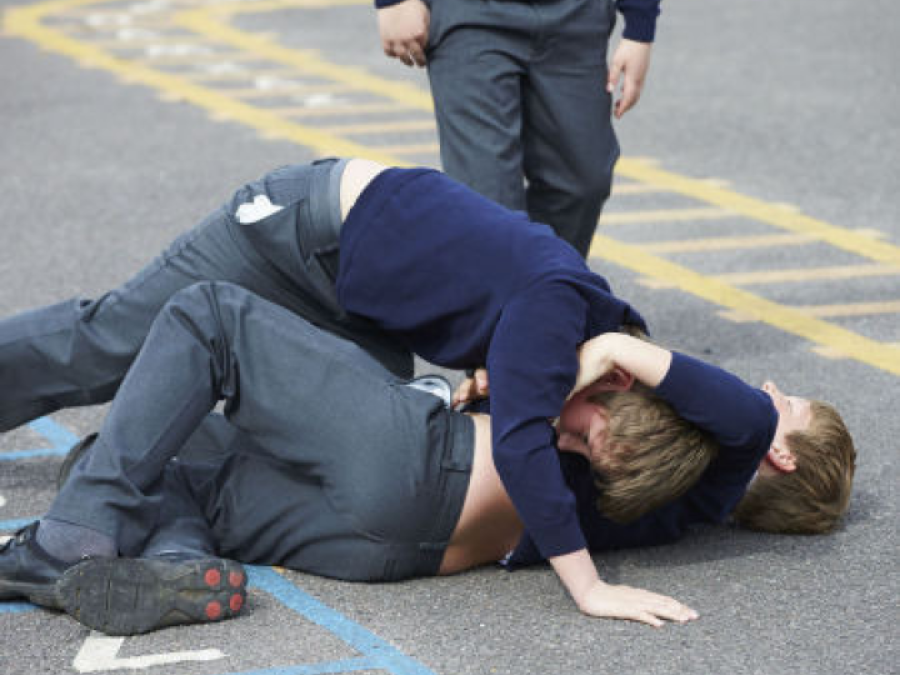
Day 3 – Restrictive Physical Intervention (Positive Handling) Training
Delegates will learn safe holding, Positive Handling and physical intervention skills.
They will only be taught techniques identified as necessary in their Training Needs Analysis (TNA).
Course content includes:
- The use of force
- Health and Safety and Human Rights legislation
- Management of Health and Safety at Work Regulations
- Avoiding and detection of positional asphyxia
- Instruction and practice of low risk physical intervention techniques.
All teaching is conducted with a constant emphasis on restraint reduction and preventative strategies.
You may also be interested in

Positive Behaviour Support (PBS) for Schools
Positive Behaviour Support (PBS) is a proactive, evidence-based approach to promoting positive behaviour in schools. It focuses on understanding the underlying causes of behaviour, teaching appropriate social and emotional skills, and creating supportive learning environments.

Safeguarding
Safeguarding training equips staff with the knowledge and skills to protect children, young people and vulnerable adults from harm, abuse, neglect, and exploitation. It helps ensure a safe environment, promotes welfare, and enables staff to identify risks early and respond appropriately to keep individuals safe.

Searching Pupils
Searching Pupils training provides school staff with the knowledge, skills, and confidence to conduct searches of students safely, lawfully, and respectfully when there are concerns about prohibited items or safety risks. The training will ensure the safety of all pupils and staff while maintaining trust, fairness, and respect in the school environment.

Run, Hide, Tell
“Run, Hide, Tell” is a safety protocol taught in schools (and other public places) to help students and staff respond effectively in the event of an active threat or violent intruder situation. It is widely used in the UK, adapted for school environments.

Martyn’s Law
Martyn’s Law is UK legislation (officially the Terrorism (Protection of Premises) Act 2025) designed to improve how public places prepare for and respond to terrorist threats. It aims to make schools, colleges and other education settings safer by ensuring they are prepared, organised and ready to protect pupils, staff and visitors if the worst happens.


